
What Is an Amazon Seller Suspension?
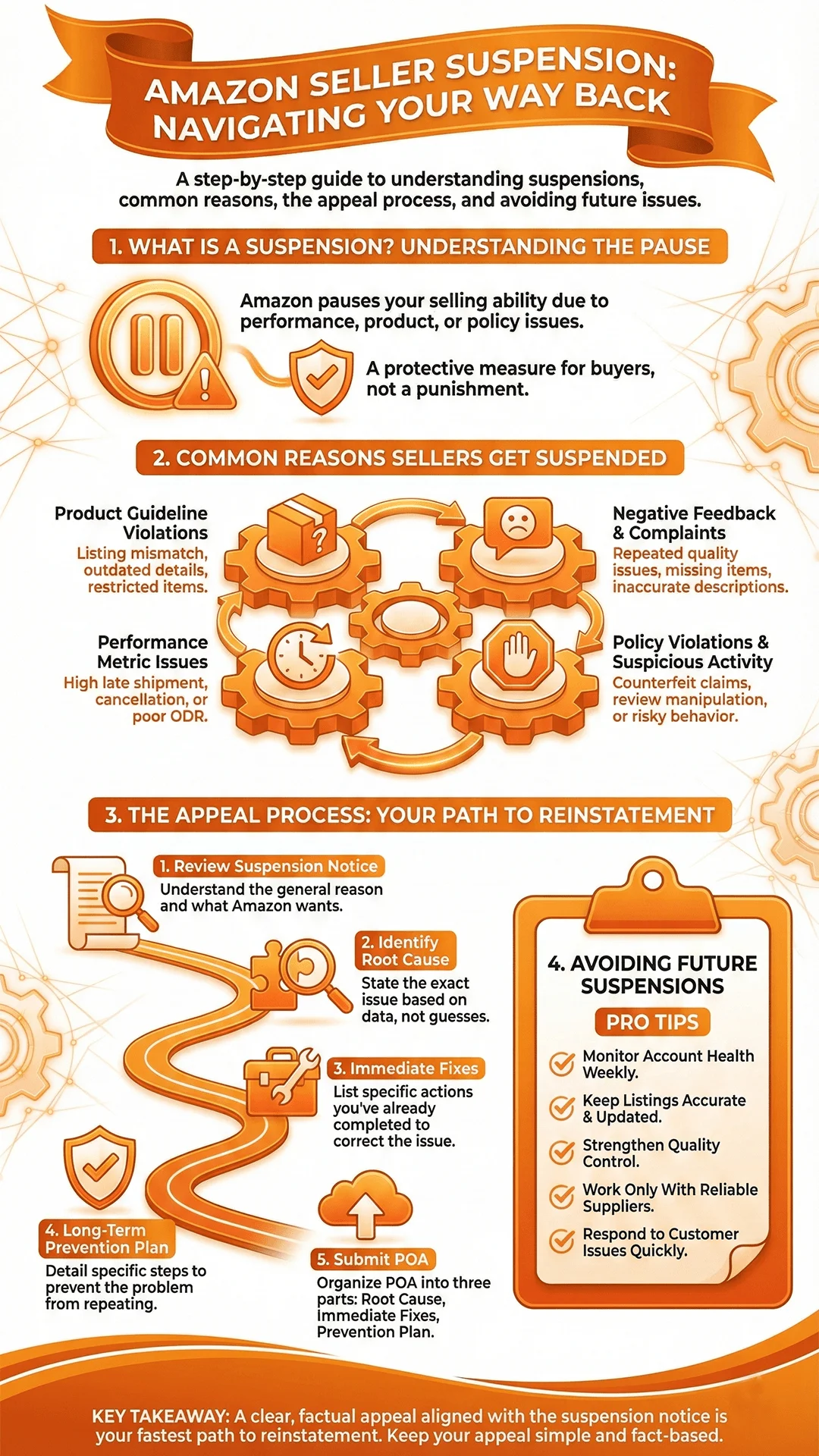
An Amazon seller suspension happens when Amazon pauses your ability to sell because something in your account needs attention. It might be related to performance, a product issue, or a policy that wasn’t followed correctly. Once suspended, your listings stop appearing and your selling privileges remain on hold until you address the problem.
Amazon sees suspension as a protective measure for buyers, not a punishment for sellers. Still, it can feel like everything comes to a sudden stop. To restore your account, Amazon wants a clear explanation of what happened, what you fixed right away, and how you’ll keep the issue from happening again. Most suspensions can be resolved when the appeal is written correctly. This guide from https://www.amazonaccountreinstatementservice.com/ will help you understand the suspensions so you can act professionally.
Types of Amazon Seller Suspensions
There are several categories of suspensions, and knowing which one you’re facing helps you decide how to approach your appeal. Each type has its own patterns and what Amazon expects in the Plan of Action.
Performance-based Suspensions
These happen when your performance metrics fall below Amazon’s required standards. A few common triggers include:
- order defect rate increases
- frequent late shipments
- too many cancellations
These issues are usually operational. Once you tighten your process and show Amazon what you improved, reinstatement is much more likely.
Policy or Product Quality Violations
This suspension involves problems with listings or product accuracy. Examples are unclear descriptions, safety concerns, or ongoing customer complaints. Amazon wants buyers to receive exactly what is shown on the product page. When something doesn’t match, they intervene quickly. A clear explanation and updated processes usually help resolve this type of issue.
Intellectual Property Complaints
IP complaints involve things like trademarks, copyrights, or authenticity concerns. These can come from brand owners or customers. Sometimes the issue is a misunderstanding caused by packaging or documentation errors. Since these cases require proof, your appeal must include clean and complete documents.
Related or Multiple Account Suspensions
Amazon suspends accounts that appear connected. This can happen through shared information such as:
- Login devices
- Bank accounts
- Addresses
- Wi-Fi networks
These cases are often confusing because Amazon doesn’t reveal the exact link. A careful and very clear appeal is needed to separate your account from any others.
Document and Verification Suspensions
When Amazon cannot verify your business details or identity, they temporarily suspend your account. Common reasons include unclear scans, missing documents, or mismatched information. Once you correct and explain the documents properly, these cases can be resolved.
Common Reasons Sellers Get Suspended
Amazon seller Suspensions usually come from small oversights rather than big mistakes. Amazon may not explain the details in the first message, so understanding the common causes helps you spot what went wrong.
Product Guideline Violations
Violations happen when your listing information doesn’t match the actual product. This includes incorrect features, outdated descriptions, or issues with restricted products. Even a minor mismatch can lead to complaints. Amazon moves quickly when something looks inaccurate or unsafe.
Negative Customer Feedback or Complaints
Customer complaints are one of the fastest ways to harm your account health. Repeated issues can come from things like:
- Damaged items
- Missing accessories
- Inaccurate descriptions
- Packaging flaws
Fixing these root causes and adjusting your listing usually helps prevent future problems.
Late Shipments or High Cancellations
When your shipping process breaks down, your metrics take a hit. Amazon wants customers to receive orders on time, so repeated delays or cancellations can trigger a suspension. Improving your fulfillment workflow helps stabilize your account.
Counterfeit or Authenticity Concerns
Sometimes a customer or brand owner reports a product as inauthentic. In many cases, the product is genuine but the issue comes from poor packaging or supplier confusion. Amazon still requires strong evidence to clear the case, so accurate documents matter.
Policy Violations and Suspicious Activity
Amazon flags activity that looks unusual or risky. This might include:
- Attempting to manage more than one account
- Review manipulation
- Sudden spikes in high-risk behavior
Amazon pauses your account first and asks questions later. A clear explanation is needed to resolve these cases.
What Happens When Your Account Gets Suspended
An Amazon seller suspension stops everything right away. Your listings disappear, you can’t sell, and Amazon holds your disbursements until the issue is resolved. It’s stressful, but the next steps are what matter most.
Amazon Sends a Suspension Notice
The notice explains the general reason for the suspension and what Amazon wants from you. It rarely gives complete details, but it gives you a direction to start from. This message becomes the base for your appeal.
You Need to Identify the Real Root Cause
Amazon expects you to explain exactly what caused the issue. A wrong or incomplete root cause leads to a fast rejection. Many sellers struggle here because they guess or use templates that don’t apply to their situation.
You Prepare and Submit the Appeal
Your Plan of Action POA should include:
- What caused the issue?
- What did you fix immediately?
- How will you prevent it from moving forward?
A simple and direct structure helps Amazon understand your approach.
Amazon Reviews Your Appeal
Review times can vary. Some sellers hear back the same day, while others wait longer. Amazon may also ask for more information. If they do, respond clearly and only address what they asked for.
Your Account Is Reinstated or Amazon Requests More Details
If your appeal meets Amazon’s expectations, your selling privileges return. If Amazon needs additional clarification, they will request it. Many sellers get reinstated once they correctly explain the issue and provide a solid prevention plan.
The Amazon Appeal Process Step by Step
The appeal process usually feels complicated when you first look at it, but once you understand how it works, it becomes much easier to handle. Amazon wants sellers to take responsibility, fix the problem properly, and explain what went wrong in a clear, honest way. When your appeal covers the right points, the review process moves faster and often ends with reinstatement.
Review the Suspension Notice Carefully
The suspension notice is your starting point. It tells you the general reason for the amazon seller suspension and what Amazon wants from you. Sometimes the message is vague, so you may need to dig deeper to understand the real issue. Missing this step is one of the biggest reasons appeals get rejected.
Identify the Exact Root Cause
Amazon expects you to explain what truly caused the problem. If you guess or base your explanation on assumptions, Amazon usually rejects the appeal. Spend time reviewing your:
- account health metrics
- customer complaints
- product reviews
- listing details
- supplier documents
- shipping and fulfillment data
The more accurate your explanation is, the stronger your appeal becomes.
List the Immediate Fixes You Already Completed
Before you send your appeal, Amazon wants to see that you’ve already corrected the issue. These actions show you understand what went wrong and that you are actively fixing it. This could include updating product information, improving packaging, removing faulty inventory, or adjusting your workflow.
Keep this part simple. Amazon wants real steps you completed, not ideas or goals.
Create a Long Term Prevention Plan
This section tells Amazon how you will avoid the same issue in the future. A long term prevention plan gives them confidence that the problem will not repeat. This may include:
- better supplier checks
- more frequent inventory inspections
- stronger quality control
- updated listing management
- improvements to your shipping or fulfillment system
Amazon wants to see specific actions that show you have made real changes.
Put Everything Into a Clear Plan of Action
Your Plan of Action is the heart of your appeal. It should be organized into three simple parts: the root cause, the corrective steps you already completed, and the preventive changes you will maintain. Amazon reviewers handle a large volume of appeals every day, so straightforward language helps them understand your case more clearly.
Submit the Appeal Through Seller Central
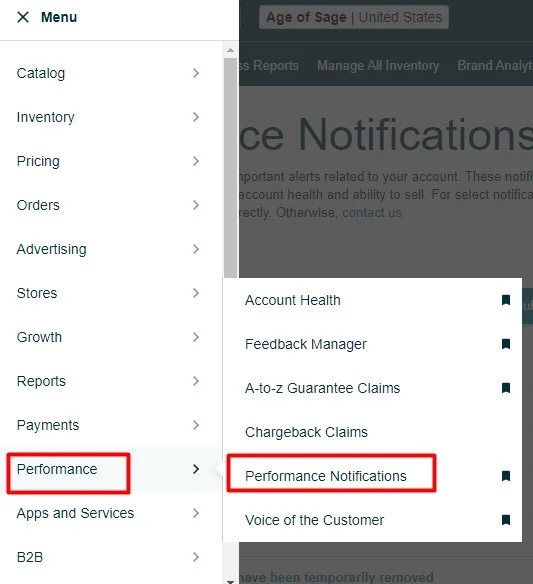
Once your POA is ready, log into Seller Central, and go to the “Performance” dropdown, then go to the “Performance notifications”. Open the suspension notice, click on Appeal, and choose the appropriate decision option. Make sure you include any supporting documents Amazon requested. A missing document or unclear scan can delay the process, so double-check everything before submitting.
Wait for Amazon’s Review
After submission, Amazon reviews your appeal manually. Some cases are answered quickly, while others take longer depending on workload and complexity. During the review, Amazon may request additional information. When they do, respond with short and specific answers. Only rewrite the full POA if Amazon asks for it.
Appeal Submission Options
Appeals are submitted inside your Seller Central account, but the exact place depends on the type of amazon seller suspension. Choosing the right submission point helps prevent unnecessary delays.
Account Health Dashboard
Most suspensions allow you to submit the appeal within the Account Health area. This is often the fastest way to reach the correct review team.
Performance Notifications
Sometimes Amazon provides a notification that allows you to respond directly with your appeal. You upload the POA and any supporting documents through this message thread.
Provided Case Link or Form
Certain cases, especially those involving documents like invoices or verification details, require you to submit through a special link or form. Amazon often provides this link in the original suspension message.
What Happens After You Submit Your Appeal
Submitting your appeal is only part of the process. Understanding what happens next helps reduce stress and prepares you for what Amazon may ask for.
Amazon Reviews Your POA
The reviewer checks whether your explanation makes sense and whether your corrective actions match the issue. A well-structured POA helps speed up this step.
You May Receive a Follow Up Request
Amazon might ask for additional documents or short clarifications. This does not mean your appeal was rejected. It usually means the reviewer needs more details to complete the case.
Approval, Denial, or Request for More Details
After reviewing your submission, Amazon may:
- reinstate your account
- deny the appeal
- ask for further clarification
A denial doesn’t mean the case is hopeless. It usually means the POA did not address Amazon’s concerns strongly enough.
Re-submitting a Corrected Appeal
If your appeal gets rejected, your next step is to revise it based on Amazon’s feedback. Do not copy and paste the same appeal again. Amazon wants fresh details that respond directly to what they pointed out.
Why Some Appeals Get Rejected
Many sellers face rejection at least once. Most of the time, the issue lies in how the appeal was written rather than the amazon seller suspension itself.
Here are the most common reasons appeals fail:
The Appeal Did Not Address the Real Issue
If your root cause is inaccurate or incomplete, Amazon will not approve the POA. They need a clear understanding of what caused the violation.
The POA Is Too Generic
Amazon quickly rejects template-based appeals or content copied from other cases. They want a personalized explanation that fits your exact situation.
Missing Evidence or Documents
When Amazon asks for invoices, authorization letters, supplier information, or verification documents, you must provide them. Missing or unclear documents can stall the entire appeal.
The Preventive Steps Are Weak or Vague
General statements like “we will try to improve quality” are not enough. Amazon wants specific and actionable steps that show real improvements.
The Appeal Takes Responsibility Poorly
Appeals that blame customers, Amazon, suppliers, or staff usually get denied quickly. Amazon expects professionalism and responsibility in the POA.
How to Prepare a Strong Appeal
A good appeal is clear, honest, and easy for Amazon to understand. You don’t need fancy wording or complicated explanations. Amazon simply wants to know what went wrong, what you fixed, and how you’ll keep it from happening again.
A strong appeal usually includes:
- the real cause of the issue
- actual steps you completed
- a prevention plan that makes sense
- supporting documents when required
The review team does not expect a long story. They expect accuracy and real solutions.
Keep the Tone Professional and Straightforward
Amazon reviews thousands of appeals, so simple and respectful wording works best. Avoid emotional language, blaming others, or long explanations that distract from the main point.
Give a Clear Root Cause
The root cause is the foundation of the entire appeal. Amazon wants to see that you understand the problem correctly. Stay specific. A short, direct explanation carries more weight than a long paragraph filled with guesses.
List the Steps You Have Already Completed
Before sending the appeal, Amazon expects you to fix the problem first. Explain what you corrected, what you inspected, and what you updated. These steps prove you took the issue seriously.
Show How You Will Prevent This Issue Going Forward
Your long-term plan should be simple but strong. Amazon wants reassurance that the same problem will not come back. Include steps that you can realistically follow, not promises you cannot maintain.
Attach Supporting Documents When Needed
Invoices, authorization letters, tracking reports, updated listings, or internal process notes can help your case. Clean and well-organized files make a better impression and shorten review time.
How Long Does the Appeal Process Take?
The timeline depends on your amazon seller suspension type, the reviewer’s workload, and the clarity of your appeal. Some cases are quick. Others take more time.
Here is what most sellers normally see:
24 to 48 Hours for First Review
A large number of appeals are reviewed in this window. If your POA is strong, you may get reinstated quickly.
Several Days for Complex Cases
Issues involving authenticity, documentation, or verification usually take longer. The reviewer may also ask follow-up questions before making a decision.
Multiple Weeks for High-Risk Cases
If your suspension is tied to serious policy concerns, related accounts, or repeat violations, Amazon spends more time reviewing your case. These cases require a very clear and detailed appeal.
Follow-Up Requests Add More Time
If Amazon asks for additional clarification or documents, respond quickly. Delays on your end can extend the process.
How to Avoid Future Amazon Seller Suspensions
Once your account is reinstated, keeping it healthy becomes the main priority. Amazon monitors seller performance closely, so a few consistent habits help prevent future problems.
Monitor Account Health Weekly
Review your metrics often. Order defect rate, shipping times, and compliance alerts can change fast. Fixing small issues early prevents bigger problems later.
Keep Listings Accurate and Updated
Check that product descriptions, images, and variations match the actual item. Clear and accurate listings reduce returns and avoid misunderstandings.
Strengthen Your Quality Control
Before sending inventory to customers or FBA, check packaging, labeling, and condition. A few minutes of QC work can prevent negative reviews and claims.
Work Only With Reliable Suppliers
Unverified suppliers or inconsistent inventory often lead to authenticity complaints or document issues. Stick with vendors who provide clean invoices and stable quality.
Respond to Customer Issues Quickly
Handle messages, refunds, and complaints as soon as possible. Fast responses help maintain positive customer satisfaction and protect your account health.
How AAR Services Helps Sellers Get Reinstated
If you’re dealing with an amazon seller suspension that feels overwhelming or if your appeal has already been rejected, you don’t have to handle the process alone.
AAR Services has helped many sellers restore their accounts by focusing on:
- identifying the correct root cause
- creating a clean, personalized Plan of Action
- submitting appeals through the right channels
- escalating the case when Amazon stops responding
Our approach is simple, structured, and designed to match what Amazon reviewers look for.
If you want a higher chance of reinstatement with less stress, our team can prepare everything for you.
Reach out anytime and we’ll walk you through the steps that fit your case.